How This Conservation Artist Uses Wildlife Portraits to Protect Endangered Species
- Ranjisha Raghavan
- Jan 1, 2024
- 3 min read
When people hear that I paint endangered species, they often assume it’s about awareness.
And yes - awareness matters.
But over time, I’ve realised something deeper.
The reason endangered wildlife protection still struggles is not because people don’t care.
It’s because the system around protection is fragmented.
Policy exists in one room.
Funding decisions happen in another.
Field teams work on the ground.
And storytelling sits somewhere in between - often treated as optional.
But it isn’t optional.
It’s connective tissue.
And that’s where my work quietly fits in.
I Don’t Just Paint Animals. I Paint Context.
When I begin a wildlife portrait, I don’t start with just the animal.
I start with its world.
Its habitat.
Its silence.
Its vulnerability.
Its place in the ecosystem.
Because endangered species don’t disappear in isolation.
They disappear when systems collapse around them.
When forests fragment.
When oceans warm.
When funding dries up.
When laws are written but not enforced.
So the painting must hold more than beauty.
It must hold tension.
Where Conservation Often Breaks
In my conversations with conservationists and NGOs, I’ve noticed a pattern.
Field teams are doing the work.
Scientists are gathering the data.
Policy groups are pushing for reform.

But storytelling - the bridge between all of them - is often underestimated.
Without emotional memory, urgency fades.
People scroll past statistics.
They forget numbers.
They move on.
But when they feel something -
When they pause -
When they see a species not as a headline but as a presence -
That changes behavior.
A Portrait Can Do What a Report Cannot

A wildlife portrait cannot replace research.
It cannot replace fieldwork.
But it can do something different.
It can hold someone’s attention long enough for the science to matter.
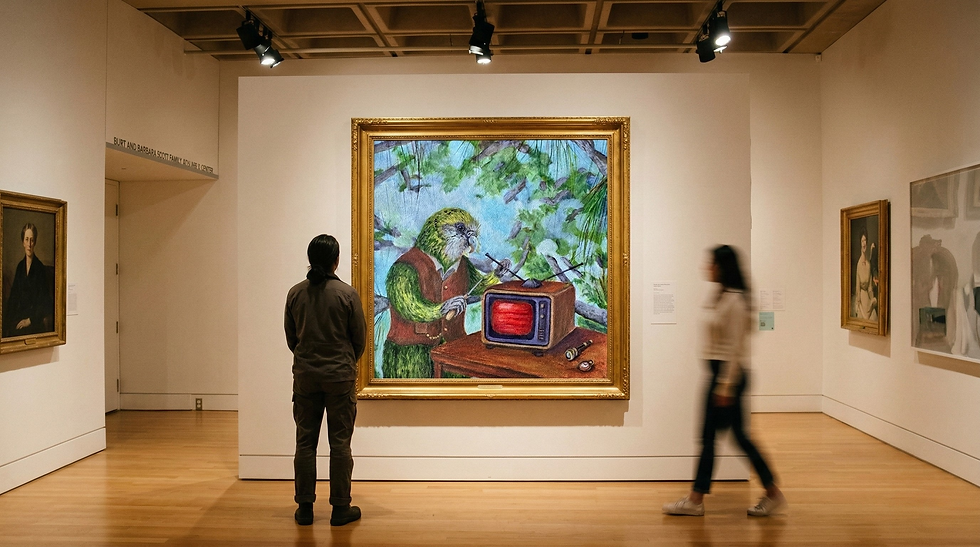
When someone stands in front of a painting of an endangered species, something shifts.
They look into its eyes.
They see its scale.
They notice the habitat around it.
They sense fragility.
And for a moment, the species is not abstract.
It is alive.
That moment is powerful.
Because protection begins with recognition.
Art as Infrastructure, Not Decoration
I often say this gently, but I believe it deeply:
Conservation art is not decoration.
It is infrastructure.
It can:
• Anchor an exhibition that drives fundraising
• Become the emotional entry point in a donor event
• Travel into schools and shift young perspectives
• Sit in a collector’s space and start conversations for years
When used intentionally, art becomes part of the conservation system.
It connects funding conversations with emotion.
It connects fieldwork with public awareness.
It connects policy with people.
Why I Continue This Work
This path is not always easy.
There are long periods of quiet work.
Moments of doubt.
And the emotional weight of painting species that may not survive our lifetime.
But I am clear about why I do it.
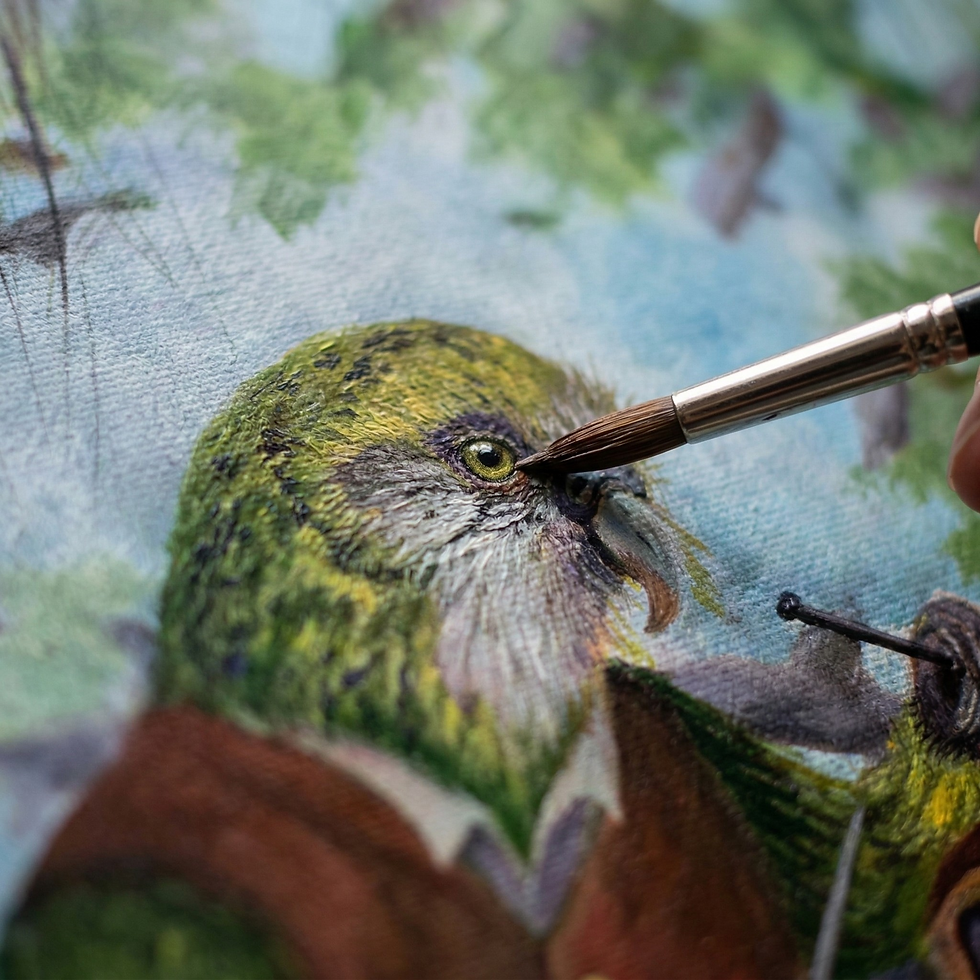
I paint the soulful stories of our planet.
I borrow my hands and my canvas to give endangered life a presence where silence is growing.
Even if one painting shifts how someone sees a species, it matters.
Even if one exhibition strengthens a conservation initiative, it matters.
For NGOs and Foundations Building Real Impact
If you are working to protect endangered species, you already understand the complexity.
You are balancing science, policy, funding, and community engagement.
Storytelling should not sit outside that structure.
It should support it.
If you are exploring exhibitions, awareness programs, or fundraising strategies that need deeper emotional connection, I would love to collaborate.
Because wildlife protection does not fail from lack of passion.
It struggles when the system is disconnected.
And art, when used thoughtfully, can help reconnect it


Comments